
Permaculture Is
Political
Food Sovereignty Is Liberation
Permaculture as it was in the 80’s looks very different to the permaculture of today and that’s something to be excited about. During a time of genocide, climate catastrophe, attacks on treaties, social and economic upheaval, the need for justice is urgent —our design choices carry real, tangible stakes.
Food and land use can either be a force of liberation—or a tool of oppression. Historically, the permaculture movement has often claimed to be "apolitical"—yet we know nothing in an ecosystem plays a neutral role & this approach is actively harmful. Especially when systems are designed on stolen land using colonial frameworks, while our global ecosystems & frontline communities bear the brunt of systemic harm. Emerging from a desire to engage more critically this series seeks to extend on the practice of accountability & redistribution.
What we plant, what we build, and how we relate matters deeply. Designing community led ways of caring for ourselves and the planet has never been more important. Let’s reframe design & honour its critical need right now. In this time of great change, how do we become mycelial?
We are grateful to share Permaculture is Political - a fundraising web series hosted by PermaQueer that brought together thoughtful speakers sharing grounded insights & practical actions that listeners can take at the individual, community & systemic level. All profits from the series went toward First Nations organisations and food relief for Palestine.

Decomposing Power / Saprotrophic Mushrooms
These mushrooms thrive by feeding on decaying organic matter, permeating rotting wood and releasing enzymes to decompose complex compounds. Then a process of transformation can take place - a foundation for new life.
Permaculture and other regenerative design frameworks hold immense potential to reimagine our current systems. But without dismantling harmful systems, they risk replicating the same extractive structures they seek to replace. Part of recontextualising permaculture as a radical framework is composting outdated structures and ideas.
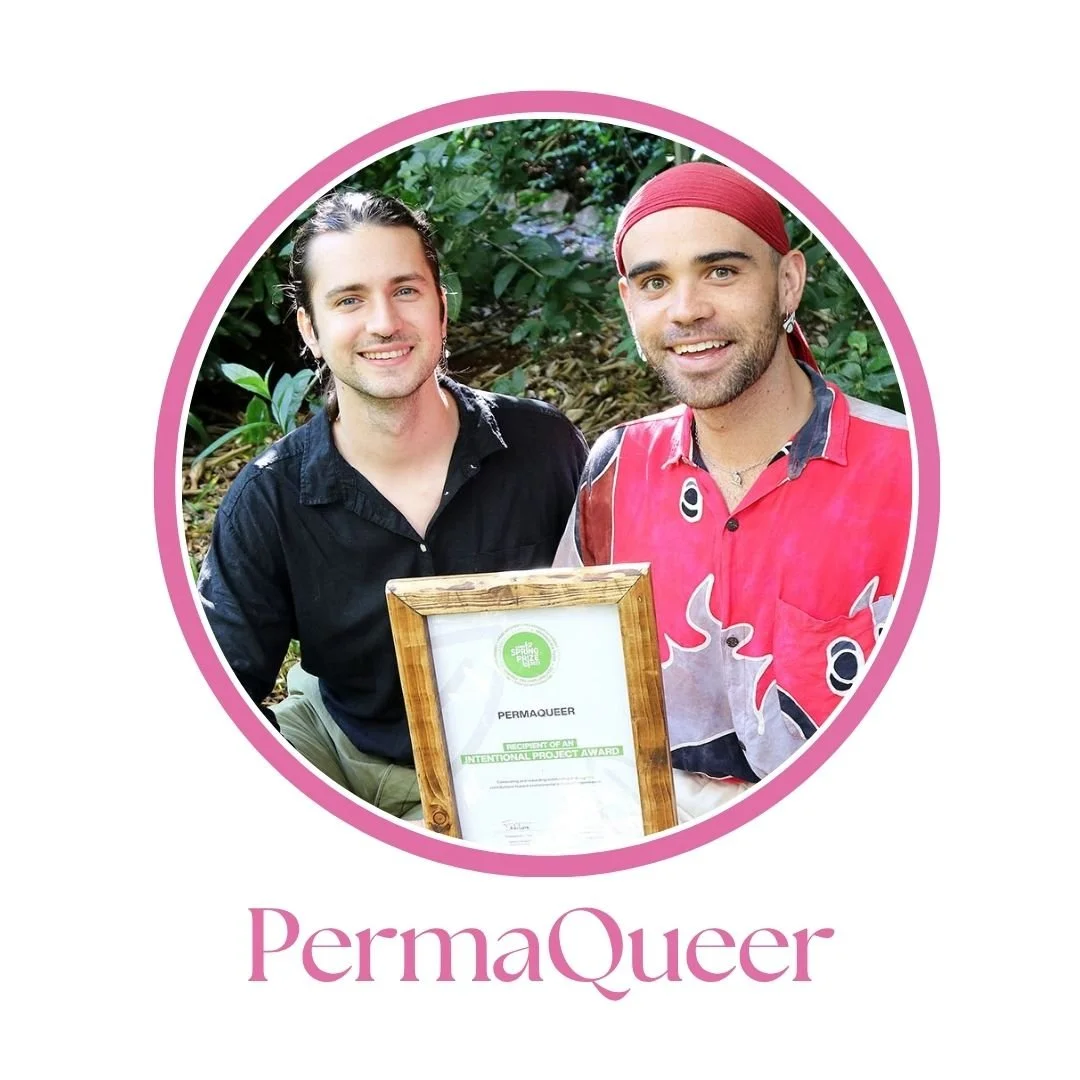
Foundations of Transformation - We’re All in this Together
Queering is the practice of interrogating social norms & building new relationships & systems to meet the needs of all. This session with Toad Dell & Guy Ritani frames the Permaculture Is Political Web-series & the critical need to reorient the social norms that underpin the permaculture, regenerative agriculture & agroecology movements. Expanding on the ecological function of diversity & interrogating the flattening of what it is to be political & the many different forms of leadership & resistance.
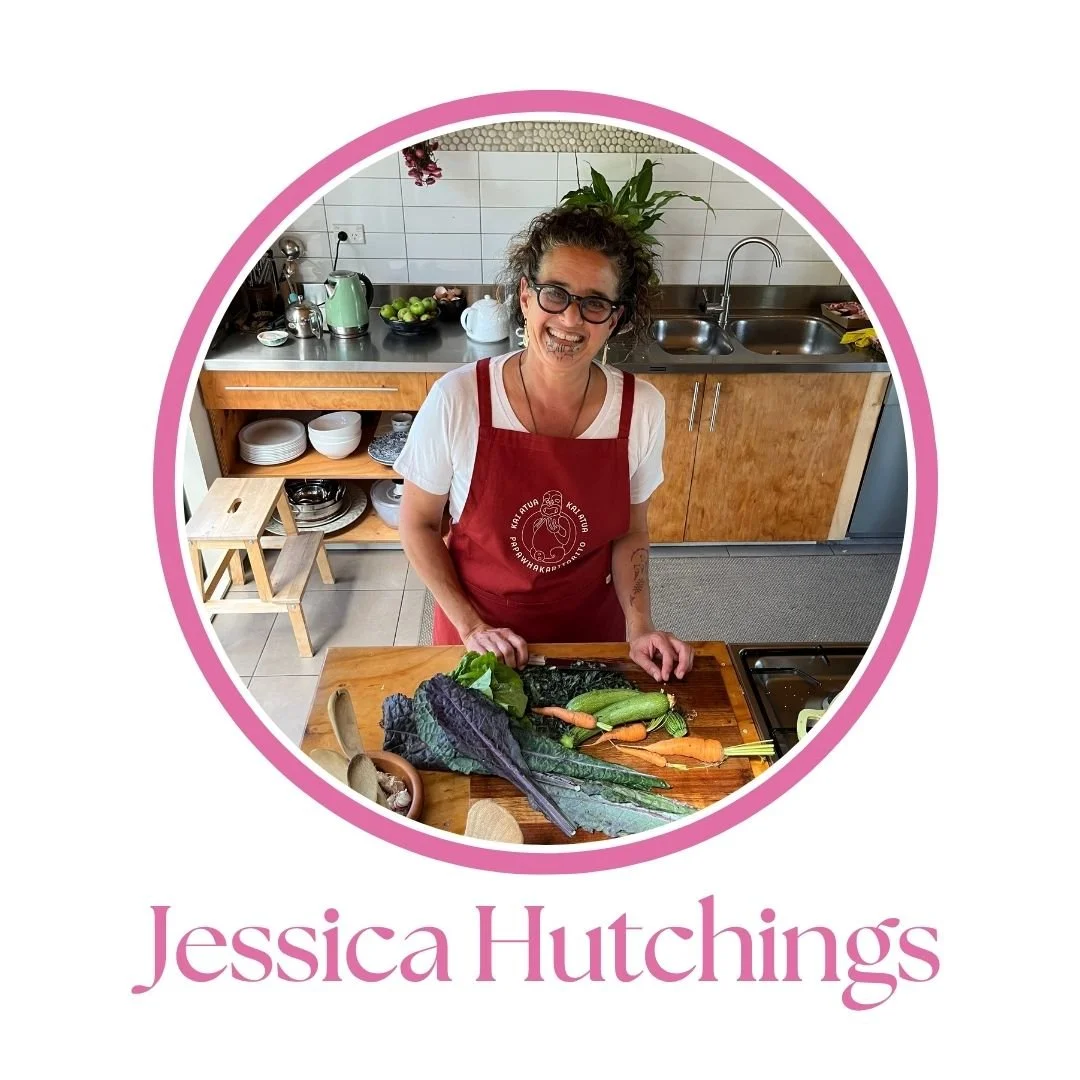
Seeding Hope Through Composting Capitalism
Dr Jessica Hutchings has been working at the crossroads of Indigenous knowledge and environmental wellbeing for the last three decades and is passionate about Indigenous social justice, organic farming and self-determination. This talk shares some of Dr Hutchings decolonial imperatives & outlines Indigenous solutions within our food system & the paradigms that uphold it.
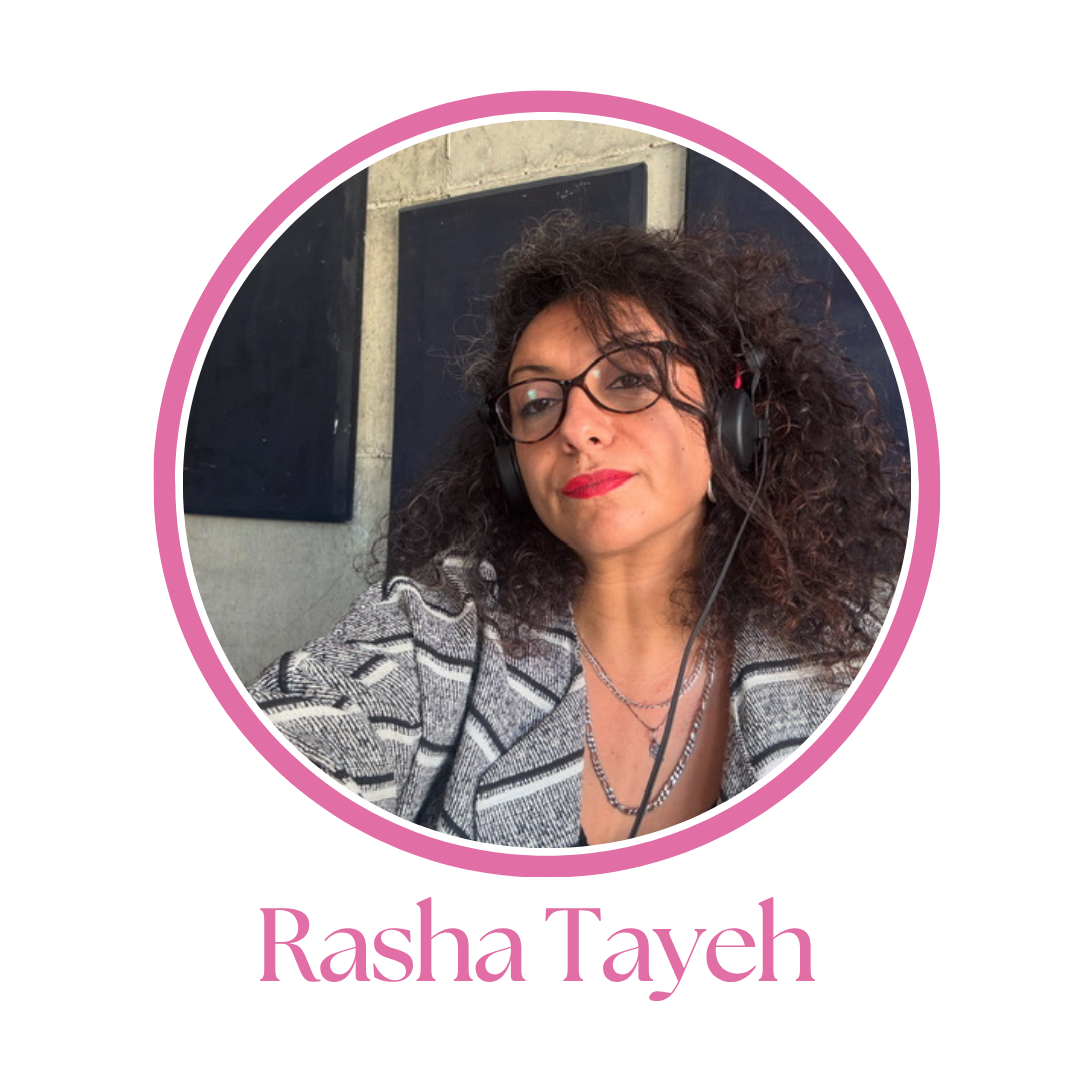
compost : compose (art, plants, compost & the economy)
Rasha’s ongoing project compost : compose hosts discussions, visual art, performance & installation works across various ecologies & geographies inspired by soil & de/composition, contemplating outdated structures that impact plants, arts, culture & economy.
compost : compose seeks meanings around how we can compost old structures, let go, tend to grief, & decompose old ways of thinking, doing & being & find ways to compose new imaginaries for reparative futures & collective liberation. The work draws on themes around dis/connection to land, biodiversity & the parallels of settler-colonial projects occupying Palestine & Aboriginal Nations in the continent known as Australia.
**for cultual reasons the video from this talk is not available to the public
Disentangling Colonial Forces From Nourishment
What we eat and what we call "healthy" isn't neutral - it's shaped by centuries of colonial power. This talk digs into how Western nutrition & science has often dismissed Indigenous foods and traditional diets, branding them as backward or unhealthy, while elevating European foods as superior. We'll explore how reclaiming food traditions becomes an act of resistance, and why questioning what we've been told is "good for us" is essential to understanding how power works through our plates.
Divesting Power / Parasitic Mushrooms
As the old structures decompose, let’s become parasitic fungi, pulling power from colonial systems of violence, & find pathways to relocate energy and resources into regenerative community based systems.
Parasitic mushrooms help regulate our ecosystem & open space for different species to contribute. Let’s divest these resources & create new space by redefining who & what permaculture is for - accelerating the natural cycles of decay & regeneration.
Agroecology without Food Sovereignty is Just Technology
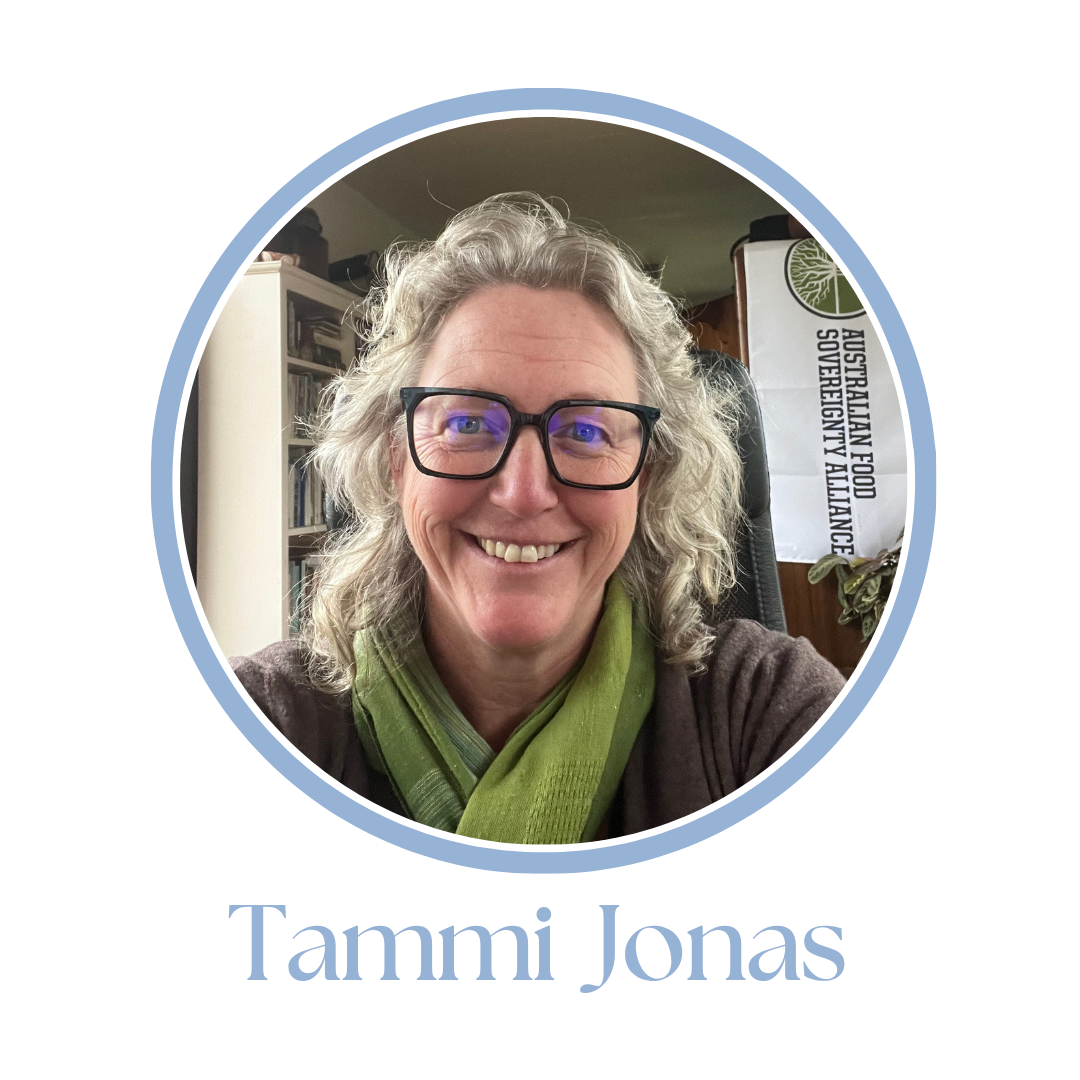
Growing food in ethical & ecologically sound ways is an act of faith & commitment to a livable future for everyone, and there is an ever-growing movement of regenerative, organic, & agroecology-oriented farmers. But the political & economic systems in which we work create barriers to growing our numbers, getting our food in front of those who most need it, & ensuring dignified livelihoods for all land & food workers. That is why the global food sovereignty movement has worked collectively with international solidarity for over 30 years to overturn structures of power that make it so hard to re-localise our food economies. Every agroecology-oriented farm has a role to play, but our power is in our collective efforts, not individual.
Death by Inclusion
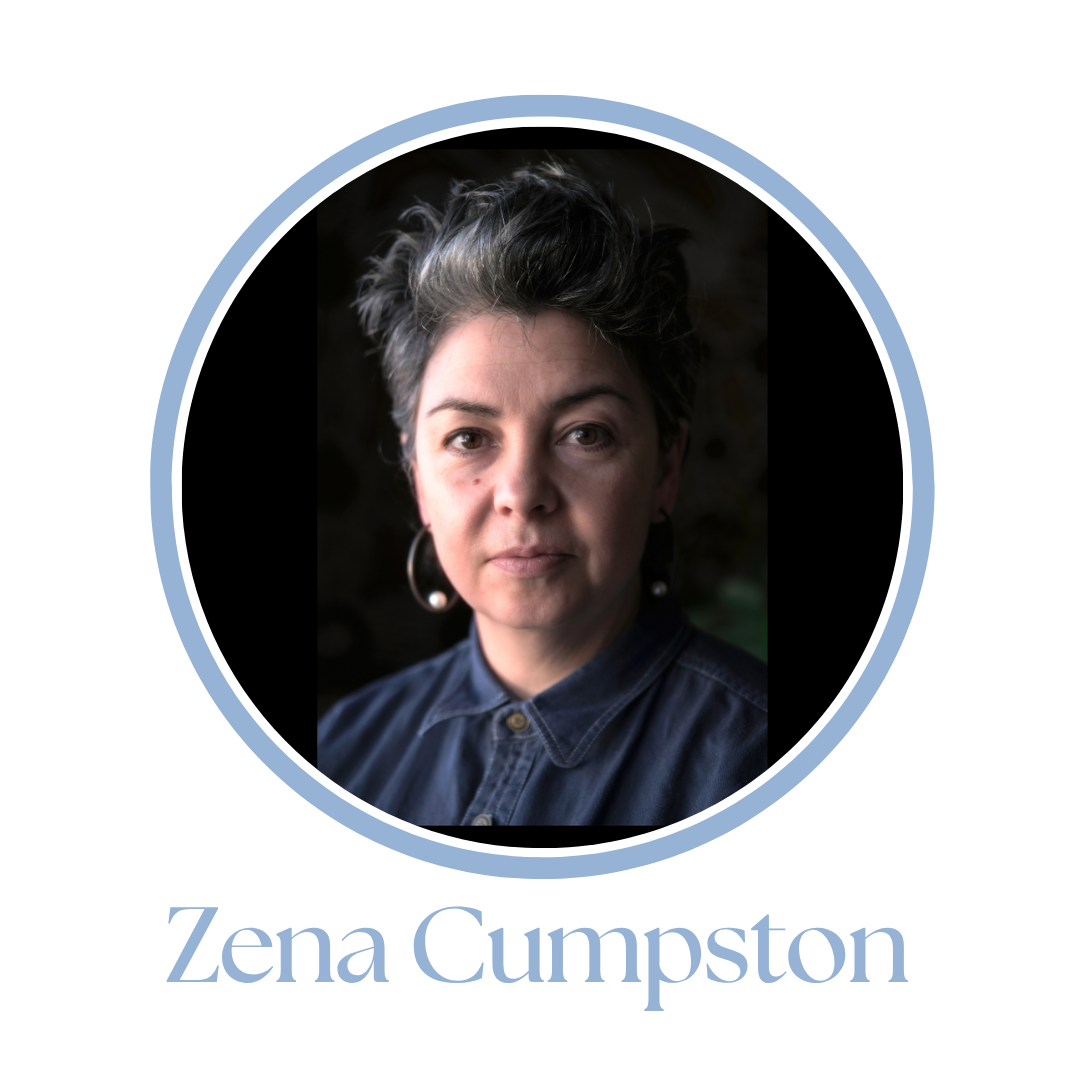
Our food system exists upon the history of this soil. This talk extends on how the landscape of First Nations acknowledgment and 'Inclusion' is riddled with land mines.
This contribution aims to address the way in which those who engage in land management, agriculture, food growing, biodiversity actions and 'care for Country' may be perpetuating the harms of colonisation whilst concurrently making claims to innocence.
This talk highlights some 'trends' of inclusion encouraging participants to reflect on their own practices and to consider what reciprocity can look like if we consider reparations, structural complexities and challenges.
Regenerative Responses to the Current Situation in the U.S. & Palestine
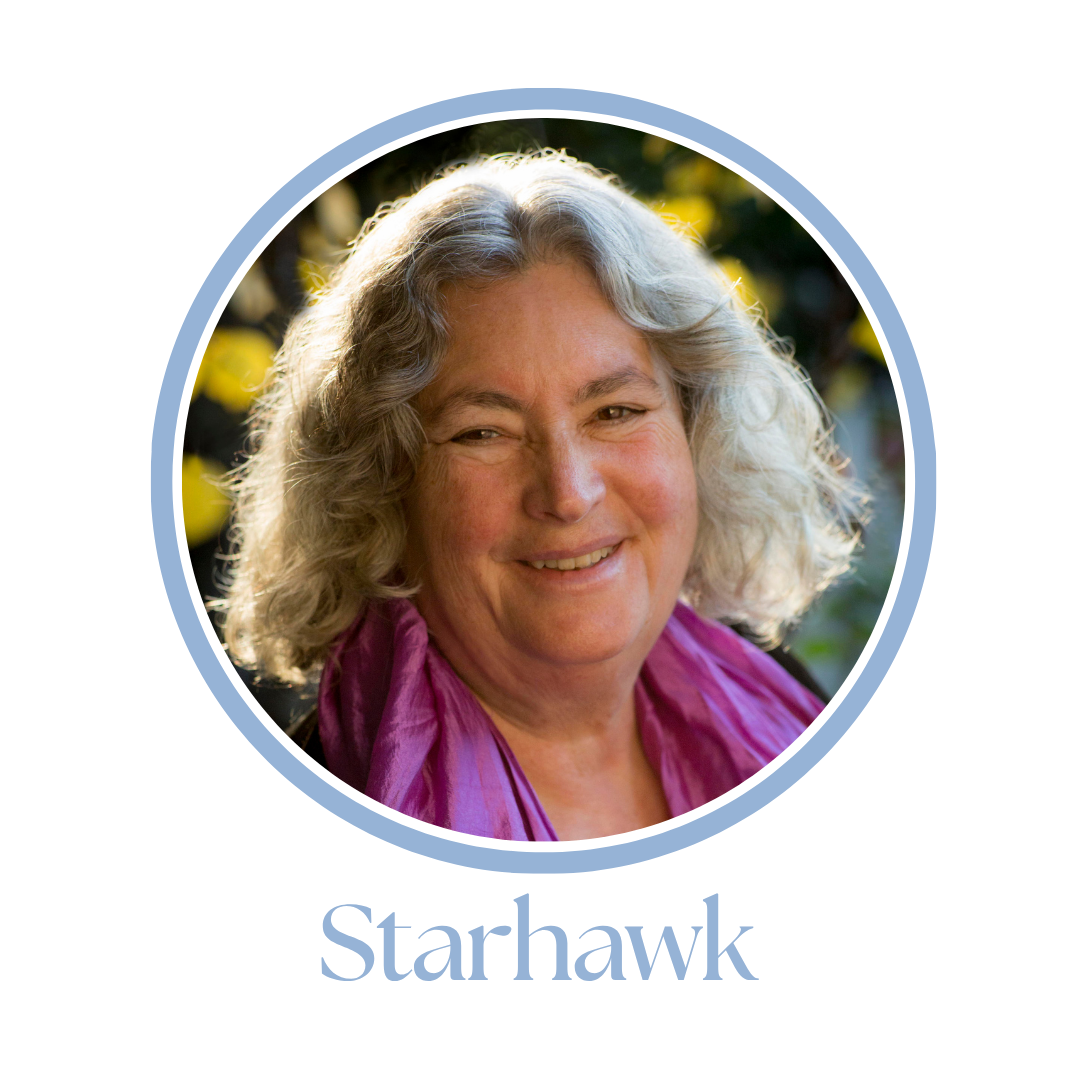
This talk with Starhawk expands on how they are organising in the U.S. to respond to the extreme right-wing takeover, aswell as discussing Permaculture for Palestine - a network formed to offer support and help for those under assault.
Starhawk directs Earth Activist Training, teaching permaculture design grounded in spirit, with a focus on organizing and social permaculture. She is the author or coauthor of thirteen books, including her visionary permaculture novels The Fifth Sacred Thing and City of Refuge and her book on ‘social permaculture’: The Empowerment Manual: A Guide for Collaborative Groups.
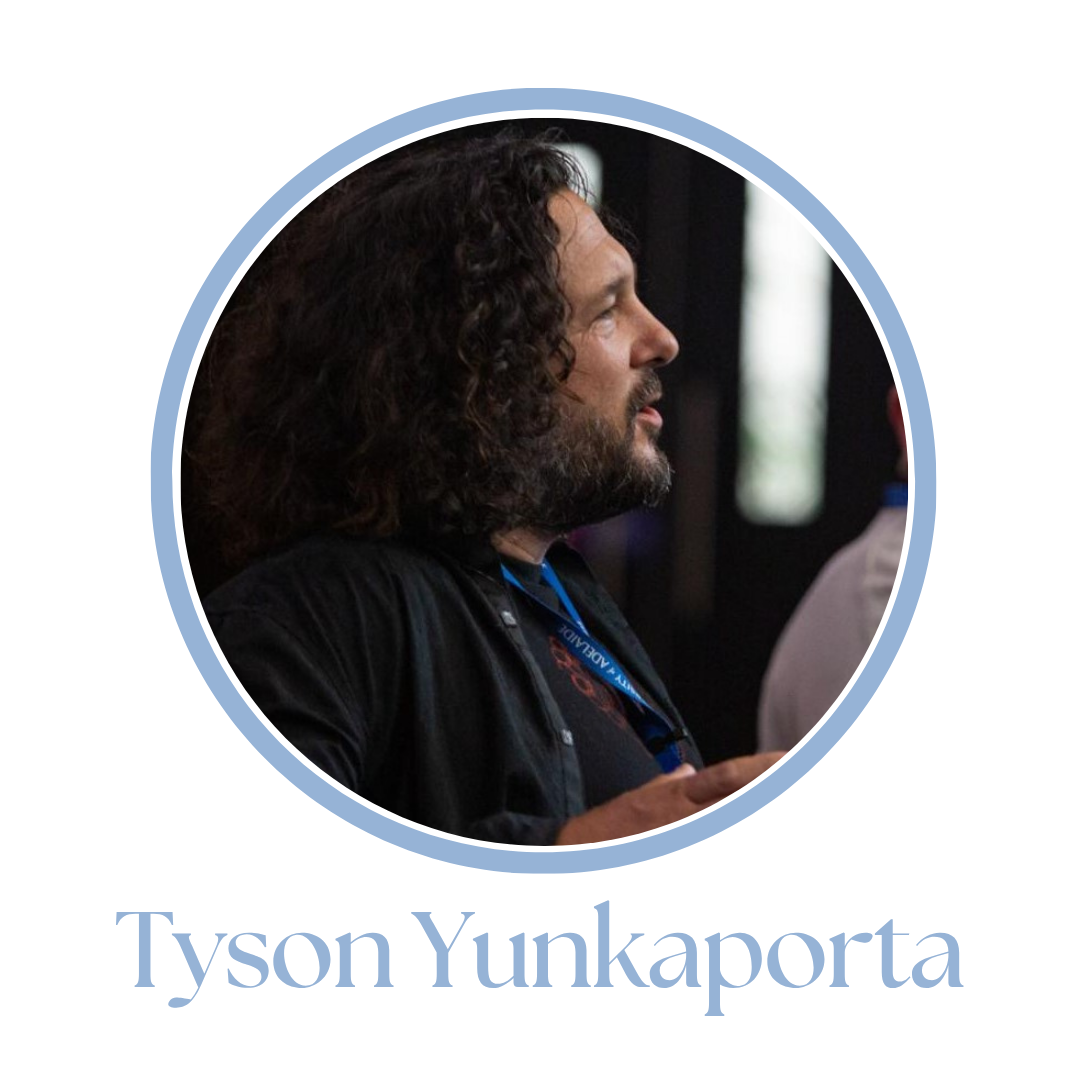
Land, Economy & Culture as Systems of Signals
Alignment of epistemology (truth) with ontology (reality) through biocultural relatedness. Through his deep understanding of kinship, Tyson illuminates the interconnectedness of our social, food & ecosystems. He paints a vast picture outside the box of contemporary agricultures, expanding & reindigenising our perspectives of belonging within ecological, cultural & spiritual systems.
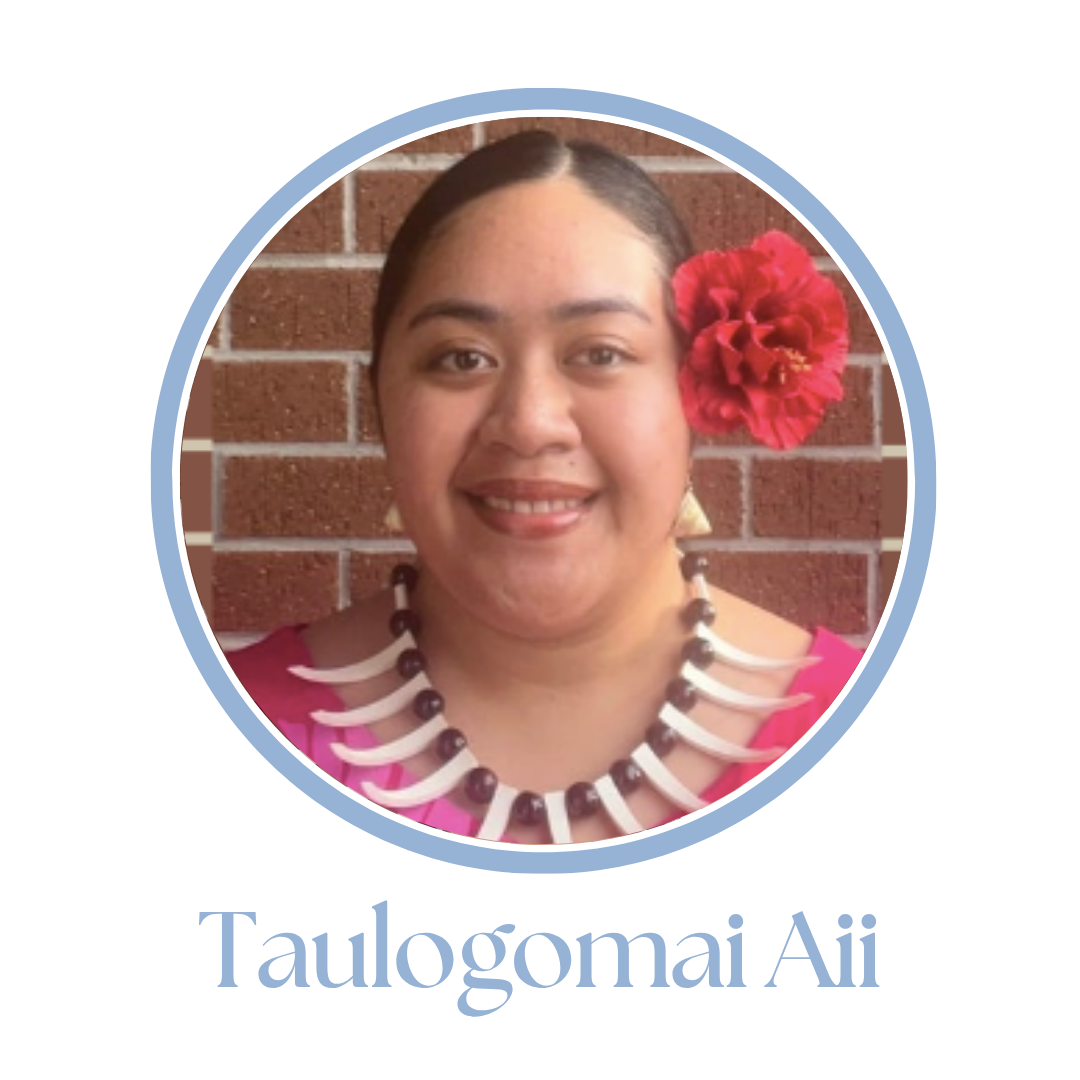
Nourishing Climate Justice in the Pacific
Our food system is interconnected with all other life systems on earth. The soils, skies & our oceans. This talk explores the intersection of the Australian food system with the Pacific ans it’s fight for climate justice & the power of the Pacific as regenerative leaders in the climate, food & adaptation space.
Taulogomai Aii (she/her) is a volunteer for the Pacific Climate Warriors Kulin Nations team and is undertaking a Bachelor of Arts (Creative Writing major, Criminology minor). Taulogomai is currently a paralegal at Pinsent Masons and is currently engaged in a year-long scholarship program - Fresh Off The Books: The Pasifika Australian Literary Initiative. She is an advocate for social justice issues including but not limited to climate justice and abolition of colonial ways of being.
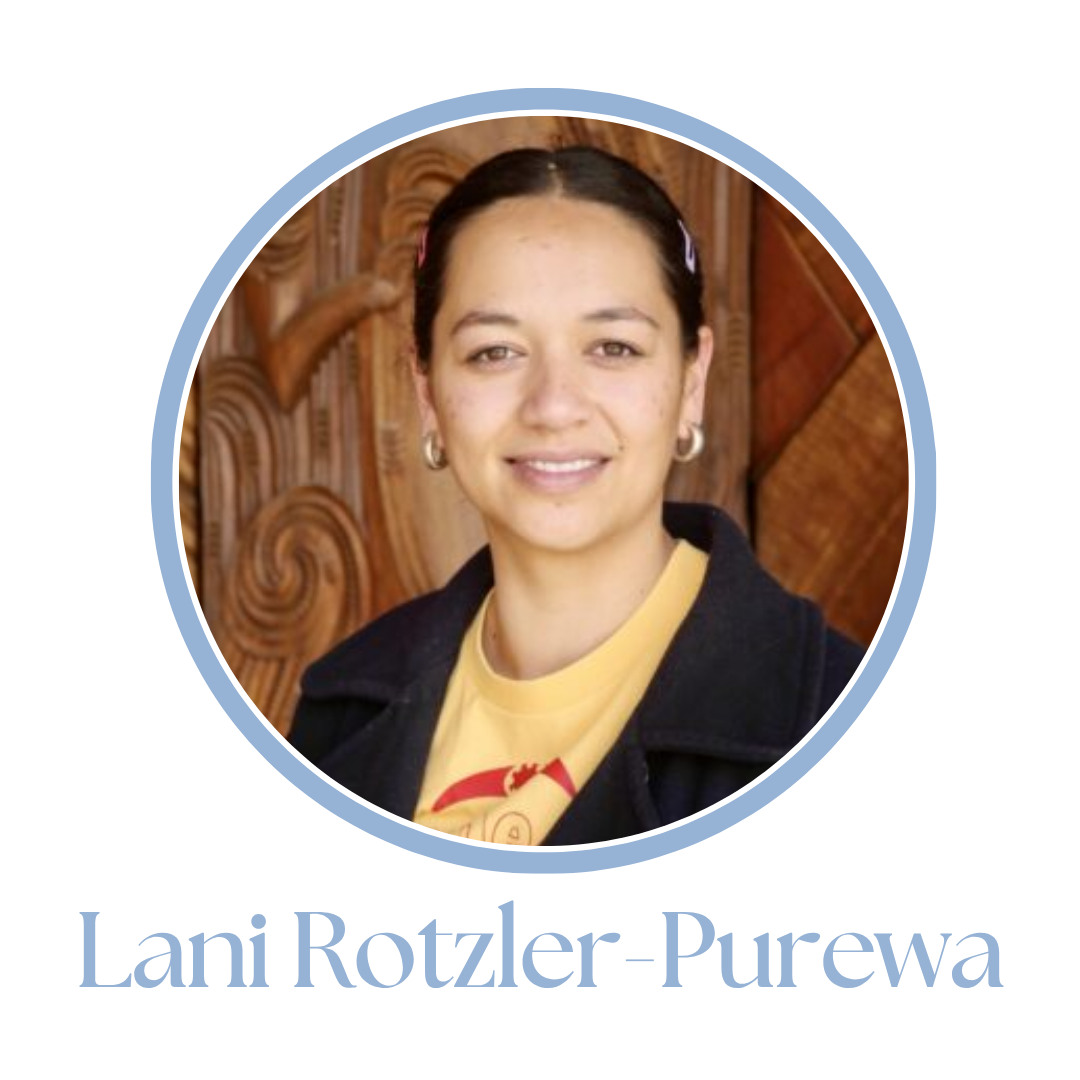
Rangatahi Maori Led Kai & Housing
Focussed on youth leadership & empowerment, Lani works across rangatahi (youth) food & housing initiatives. This talk explores the awesome housing & food justice work happening in Aotearoa & the experiences, capacities & challenges with engaging this important political work in our food system.
Lani Rotzler-Purewa (Ngāi Tūhoe, nō te Schwarzwald) works & volunteers across a range of environmental kaupapa. Her mahi focused on teaching rangatahi how to establish and maintain an urban farm, equipping them with practical skills in seedling production and sustainable growing practices. Through this kaupapa, Lani supports youth leadership while advancing Māori food sovereignty and environmental resilience.
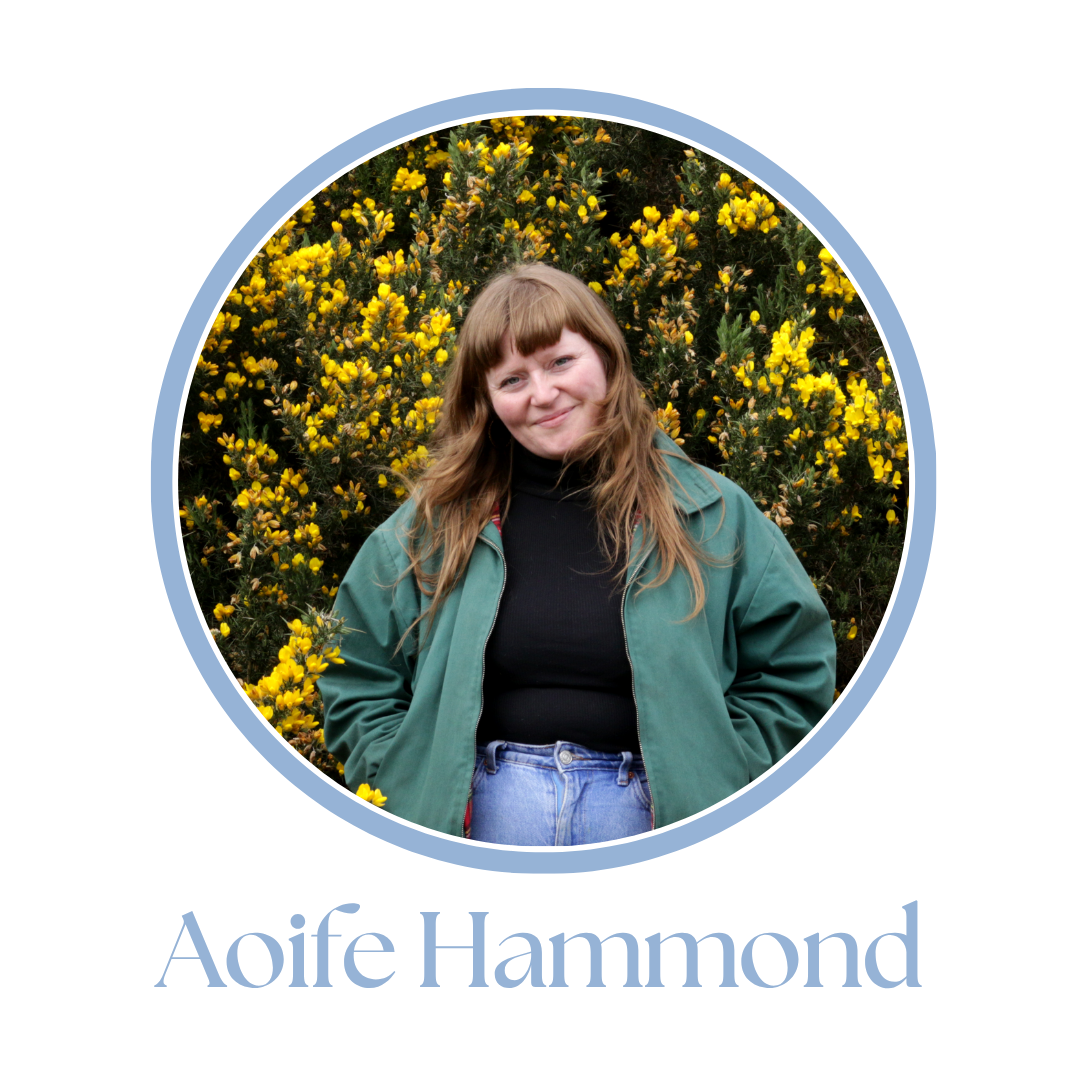
Organising Queer Community Foodways in Rural Ireland
Aoife Hammond (they/them) is a community facilitator, producer, and musician who has spent nearly two decades weaving together culture, care, and collective action. They are the co-coordinator of Queer Sheds Network, alongside Fionn Kidney, a growing network creating inclusive spaces for queer people to share skills, space and solidarity.
As Community Projects Manager at Common Knowledge, Aoife designs and coordinates festivals, programmes, and cultural events that weave climate action, heritage skills, LGBTQ+ inclusion, and cultural resilience together. Their work is rooted in the belief that learning together and passing on practical skills are powerful tools for building stronger, more connected communities.
Distributing Power/ Mycorrhizal Mushrooms
Mycorrhizal fungi are the great networkers and symbiotic collaborators. Their complex relationships with the roots of trees and other plants are key to sharing knowledge, mutual benefit and the redistribution of resources. In our communities this means creating relational systems that serve the many - not just the few - & uncovering networks of liberations and mutual aid that bring diversity to our ecosystem.
This means centring First Nations justice, queer, disabled, migrant, youth and traditionally othered voices —those pushing boundaries, expanding worldviews & building radical bridges across silos. It is with these movements we must co-design new systems as they understand most intimately the power structures we all need to decompose.
What it Means to be a Good Treaty Partner
Building on the historical event of the Victorian Treaty between Victoria’s first peoples & the state government, Together for Treaty emerges as a solidarity & culture building campaign to strengthen the understanding of Treaty in Australia & how to understand this important & significant time.
This talk discusses the Treaty, how you can get involved & what that can look like inside yourself, your home, your community & your workplaces.
Common Threads is a First Nations led organisation, harnessing the power of First Nations leadership, advocacy & change-making to win transformative change. Building on decades of advocacy, by our communities, Common Threads is growing a community campaign, bringing together diverse voices to strengthen public support for Treaties with First Nations peoples.
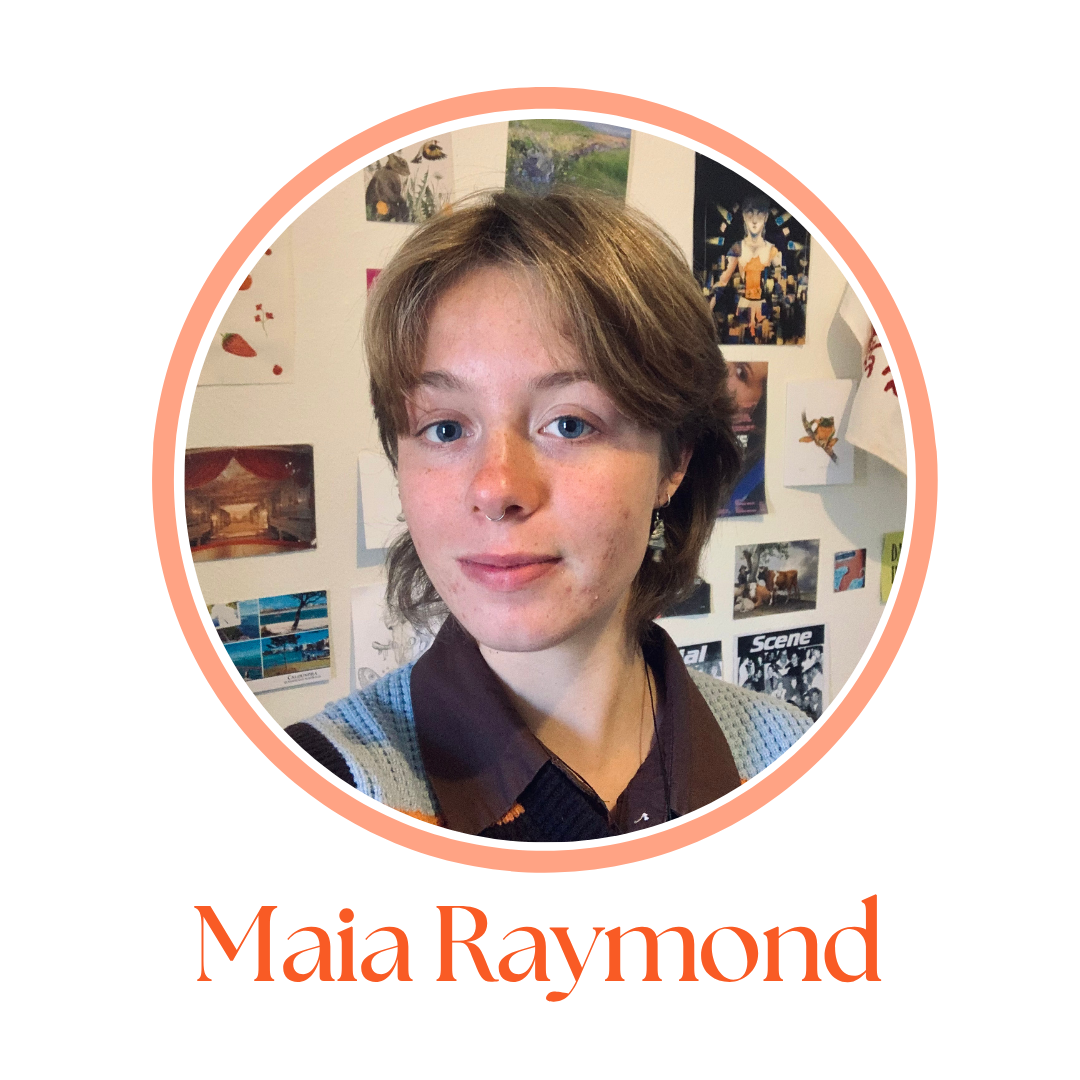
The Art of Societal Foraging
We know that something is wrong, but what are we pushing against? What are we working towards? This session offers alternatives to co-designing holistic systems that can be lived & practiced today. In a world shaped by consumption & systems designed for convenience, The Art of Societal Foraging is an exploration in how we can collectively reclaim meaning, purpose & relationships with the world around us. Rooted in permaculture & regenerative thought, this session invites you to “forage” - not just for food - but for knowledge & purpose in the cracks of the system. Framed like a practical foraging walk, it offers pathways through connection to land, language & lore to resist the extractive system & to reconnect with community knowledge, social infrastructure & shared culture. Part philosophy, part guide, it offers both insight & action for those who feel alienated by old structures & are ready to myceliate agency & creativity.

Regenerating Agriculture with Relational Values
In this session, we will look at the different types of values underpinning the regenerative agriculture movement. We will discuss what value types support the transformative potential of this movement and why, and which values open regeneration up to co-optation and greenwashing. A values distinction in regenerative agriculture will be introduced, between productivist and relational framings of regeneration.
Dr Ethan Gordon (he/him) is the President of the Australian Institute of Ecological Agriculture, an environmental social scientist, and post-doctoral scholar at Oregon State University. His research explores relational values and their implications for the transformative potential of regenerative agriculture and pastoralism. He was raised on the lands of the Dunghutti, Anaiwan, and Gumbaynggirr Peoples.
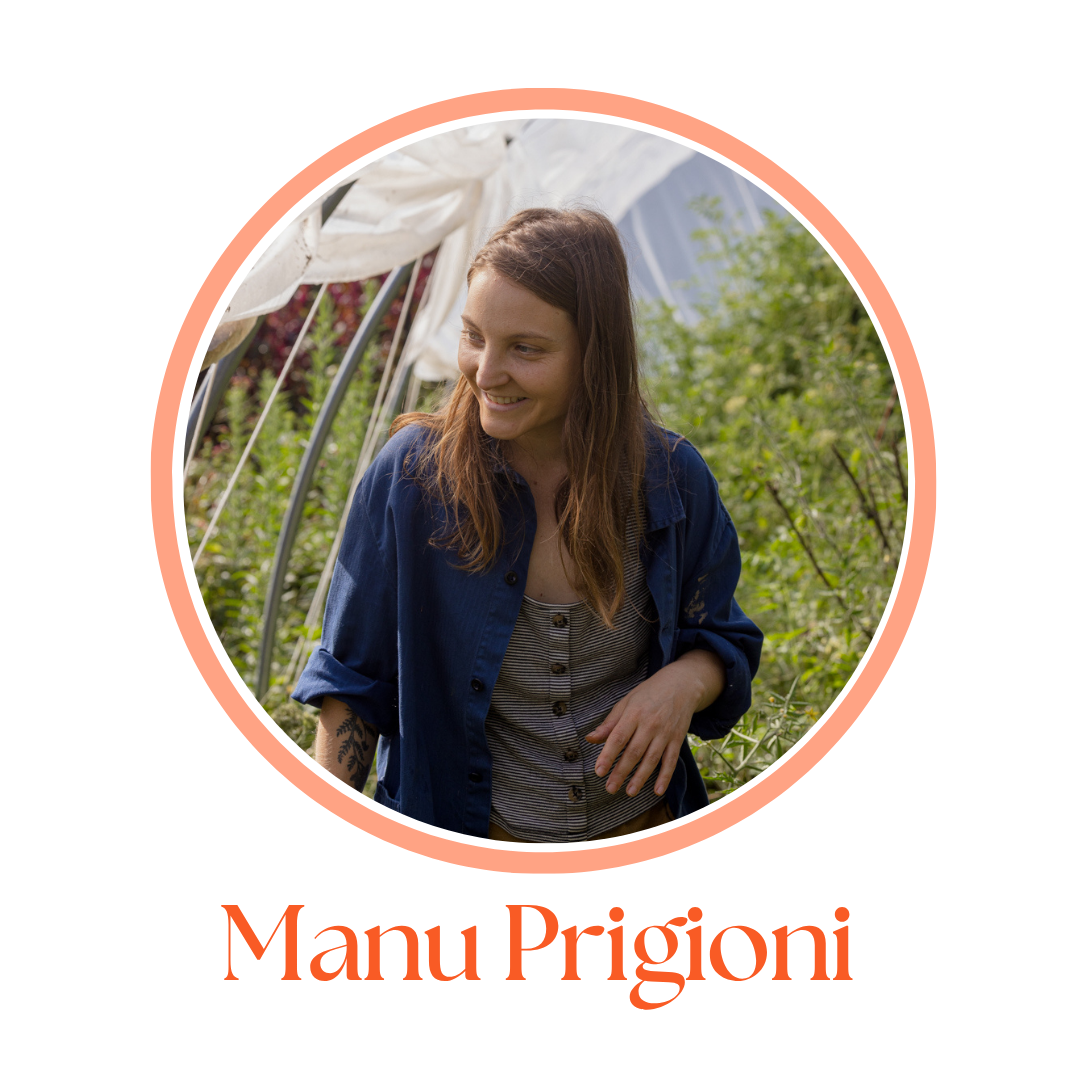
Re-Commoning Permaculture Design: Enacting & Embodying an Ethics of Care
Unpacking 'Care’ : what is Care? Manu will be delving into the framework that they are developing; combining Mary Graham's relationalist ethos, & Manfred Max Neef's matrix of fundamental needs & satisfiers to help guide us towards more socio-environmentally just systems of food provision.
Manu is a critical systems thinker but more importantly, a systems carer. Her approach to systems design centres the structures & forms of care that are removed from community & our larger food system by the ongoing impacts of colonial capitalism. She co-founded & coordinates Farm It Forward, a youth organisation growing fresh food on & around public high school grounds in the Blue Mountains. She is also writing a phD in social design looking at the role of youth oriented civic fresh food initiatives in socio-environmentally just food transitions.
“Ba’ali” farming method in Palestine
This session explains the rich cultural history of farming in Palestine & the challenges of cultural preservation. Through storytelling & introduction to farming methods, we get a deeper understanding of Food Justice in Palestine. Ba’al is the god of rain, wind & fertility for the Canaanites, who inhabited Palestine more than 5,000 years ago & holds a special place in the hearts of Palestinians. Five thousand years later, Palestinian farmers still name one of the oldest agricultural techniques in Palestine after him: “Ba’ali” agriculture, rain-fed farming where crops are grown using only natural precipitation without artificial irrigation - the Palestinian climate experiences a complete drought between May and October each year. To add to this, water resources are heavily controlled under the ongoing Israeli occupation of Palestinian territories.

Regenerative Storytelling
This talk centers a framework of storytelling & story sovereignty within diverse & marginalised communities. James shares their approach of platforming, supporting & empowering voices of the food system & society as a whole to uplift their solutions.
James (he/they) is a Queer, Vegan Permaculture designer, with a background in climate activism, film & the arts. Originally from unceded Turrabal & Jagera land in Meanjin (so called Brisbane, Australia), James lives in the UK & has the pleasure of working with grassroots partners from regenerative organisations around the world. James was a founding member of Regenerosity, an organisation focused on creating healthy resource flows in aid of regeneration, & Re-Alliance, a network of regenerative practitioners.
Fundraising & Financial Transparency
All profits from this series have gone towards Yuruwan, The Land Back Org, Gaza Soup Kitchen & Dalia.
This event fundraised $6,305.00 made up of $6,225.00 in ticket sales & $80.00 in direct donations. Thank you to everyone that generously contributed. In addition the event convened 21 speakers, producing 17 online video resources & many more additional resources. These can be found with the recordings when they become available.
The funds were donated between our 4 select organisations. There are slight variances in the distribution of funds due to various exchange rates following the desired methods of donation as per each group. The distribution is as follows:
Yuruwan $1,576.25
Land back $1,576.25
Dalia $1,544.40
Gaza Soup kitchen $1,608.74
Totalling $6,305.64